
Introduction
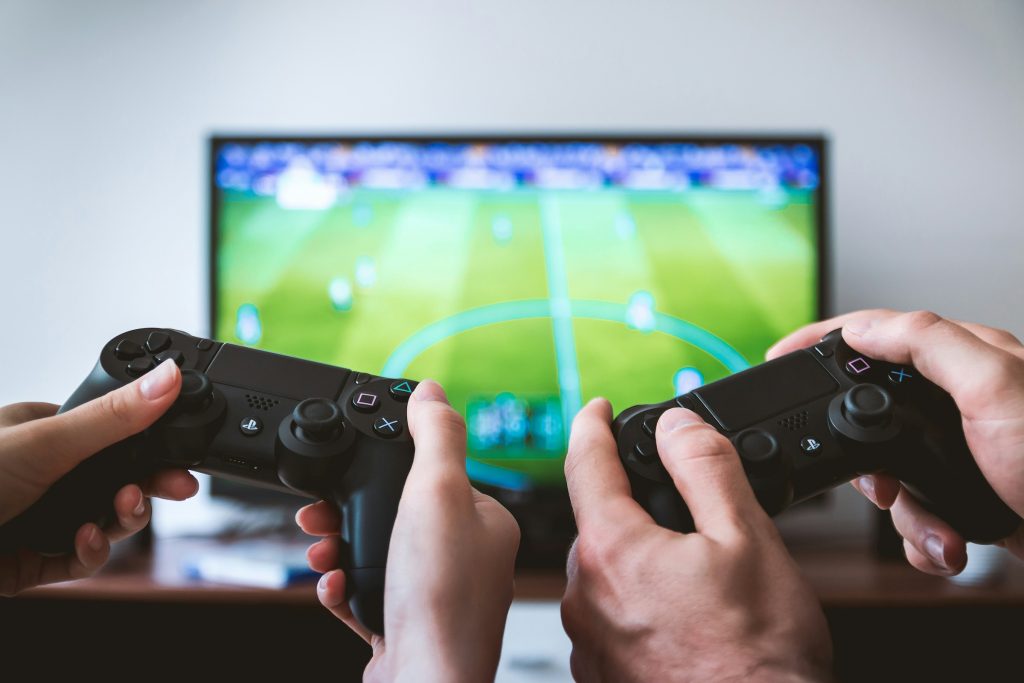
Gaming is often seen as a leisurely activity, primarily associated with entertainment and relaxation. However, casual gaming, in particular, offers a myriad of benefits that extend beyond mere enjoyment. From cognitive enhancements to social connections, casual games can have a positive impact on our daily lives. In this blog, we will explore the various advantages of casual gaming and why it’s more than just a way to pass the time.
Cognitive Benefits
- Improved Problem-Solving Skills: Many casual games, such as puzzle games (e.g., Candy Crush Saga) and strategy games (e.g., Plants vs. Zombies), require players to think critically and develop strategies to progress. These games challenge the brain and enhance problem-solving skills.
- Enhanced Memory: Games that involve matching items, memorizing patterns, or navigating complex environments can boost memory retention. Games like Sudoku and Mahjong are excellent examples of how casual gaming can keep the mind sharp.
- Better Attention and Focus: Casual games often require players to pay attention to details and react quickly to changing scenarios. This can improve attention span and concentration, skills that are transferable to real-life tasks.
Emotional and Psychological Benefits
- Stress Relief: Casual gaming provides an escape from the stresses of daily life. Engaging in a light-hearted game can relax the mind, reduce anxiety, and provide a sense of accomplishment.
- Mood Enhancement: The sense of achievement from completing a level or solving a difficult puzzle can release dopamine, the “feel-good” neurotransmitter. This can lead to improved mood and a positive outlook.
- Mindfulness and Relaxation: Some casual games, such as those with calming visuals and soothing music (e.g., Stardew Valley, Flower), promote mindfulness and relaxation. These games can be particularly beneficial for unwinding after a long day.
Social Benefits
- Building Connections: Many casual games offer social features, such as multiplayer modes or in-game chat functions. This allows players to connect with friends and family or meet new people from around the world, fostering a sense of community.
- Cooperative Play: Cooperative casual games, where players work together to achieve common goals (e.g., Among Us, Minecraft), can enhance teamwork and communication skills. These games provide a fun way to collaborate and build relationships.
- Intergenerational Interaction: Casual games are often accessible and easy to learn, making them suitable for players of all ages. This can facilitate bonding between different generations, such as grandparents playing with their grandchildren.
Educational Benefits
- Learning Opportunities: Many casual games incorporate educational elements, teaching players about subjects like history, geography, math, and language. Games like Trivia Crack and GeoGuessr make learning fun and interactive.
- Creativity and Imagination: Sandbox games (e.g., Minecraft, The Sims) encourage creativity and imaginative thinking. Players can build, design, and explore virtual worlds, which can inspire real-world creativity.
- Developing Digital Literacy: Engaging with casual games can help players become more comfortable with technology and improve their digital literacy. This is especially important in today’s increasingly digital world.
Physical Benefits
- Hand-Eye Coordination: Casual games that involve quick reflexes and precise movements (e.g., rhythm games like Beat Saber) can enhance hand-eye coordination. This skill is valuable in many real-life activities and professions.
- Fine Motor Skills: Games that require fine motor skills, such as tapping, swiping, or dragging, can improve dexterity. This is particularly beneficial for younger players and older adults.
- Active Gaming: Some casual games incorporate physical activity, especially those designed for motion-sensing devices like the Nintendo Switch or VR headsets. These games promote physical movement and can contribute to overall fitness.
Conclusion
Casual gaming is far more than a simple pastime. The cognitive, emotional, social, educational, and physical benefits it offers make it a valuable activity for people of all ages. By choosing the right games and playing in moderation, casual gamers can enjoy a well-rounded and enriching experience that enhances various aspects of their lives. So the next time you pick up your phone or sit down at your computer to play a casual game, remember that you’re not just having fun—you’re also reaping a host of benefits that contribute to your well-being.